A New York court has handed down a sweeping decision against former U.S. President Donald Trump and his business network, marking one of the most significant legal rulings of his post-presidency. Justice Arthur Engoron ordered Trump and his companies to pay $355 million in a civil fraud case, while also barring him from running businesses in New York for three years.
The ruling followed a lengthy investigation into Trump’s financial practices. According to the court, he repeatedly overstated his net worth by billions of dollars over more than a decade. These inflated valuations were allegedly used to secure better loan terms and insurance deals, ultimately misleading banks and insurers. The judge concluded that this pattern amounted to persistent and intentional fraud, leading to the substantial financial penalty and operational restrictions.
To understand the weight of such a decision, consider a hypothetical scenario. Imagine starting your day as usual—grabbing a coffee, running errands—only to find your credit card declined. You try another card, but it also fails. Confused, you check your bank account and discover that your funds are frozen. You’re unable to withdraw cash, make payments, or transfer money. Every financial avenue is suddenly shut down due to a legal order.
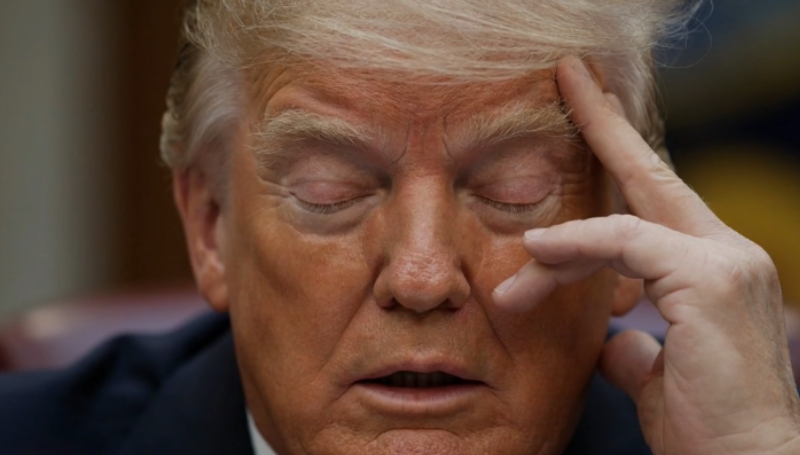
While that situation would be alarming for anyone, what makes this case extraordinary is the individual involved. Instead of an average person, it concerns a former president with vast wealth, multiple businesses, and global financial ties. The image of someone at that level facing serious financial restrictions highlights the scale and seriousness of the ruling.
That said, the real-world implications are more complex than a total freeze on all assets. Legal judgments like this typically involve structured penalties, monitored compliance, and potential appeals rather than an immediate shutdown of all financial access. Trump’s legal team is expected to challenge the ruling, which could delay or modify how the penalties are enforced.
Even with those nuances, the decision sends a clear message about financial accountability. It underscores that courts can impose significant consequences when business practices cross legal boundaries, regardless of status or influence. As the case moves forward, it will likely continue to shape discussions about corporate transparency, legal oversight, and the limits of financial maneuvering at the highest levels of business and politics.