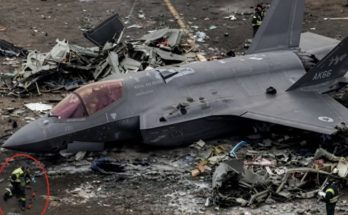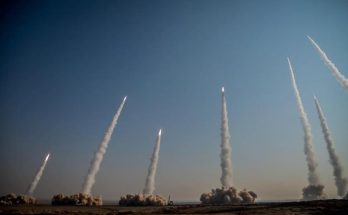
A sharp escalation in regional tensions has emerged after Iranian state military television announced a coordinated series of strikes targeting U.S. military installations across the Persian Gulf. The development has triggered urgent responses from Gulf governments, with authorities urging residents to remain indoors and avoid areas near military sites as the situation rapidly intensifies.
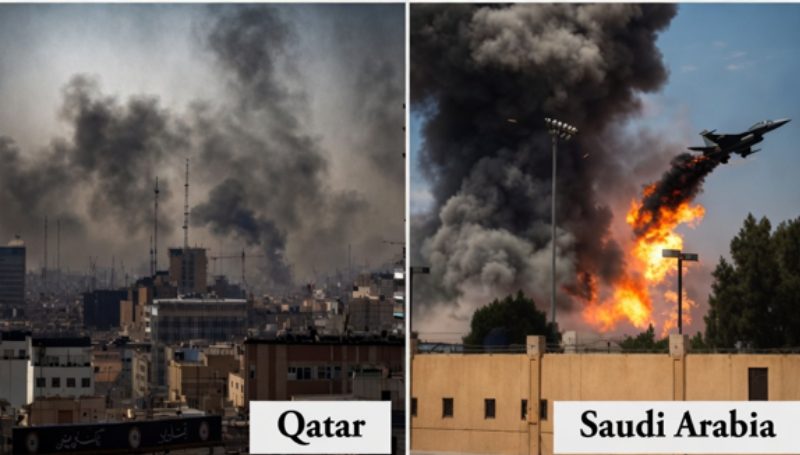
Initial reports suggest that the United Arab Emirates was among the hardest hit. The Al Dhafra Air Base was reportedly struck by Iranian ballistic missiles, causing large explosions and prompting officials to shut down national airspace as a precaution. In Bahrain, witnesses described heavy smoke rising over the Al Jufair district, home to the headquarters of the U.S. Fifth Fleet, following what appeared to be an aerial attack.
Elsewhere, Qatar activated its defense systems after confirming that a Patriot missile battery intercepted an incoming projectile aimed at the Al Udeid Air Base. Although the interception was successful, authorities still closed the country’s airspace and placed forces on heightened alert. In Kuwait, residents reported loud explosions, leading officials to advise people to stay home and suspend daily activities.
As assessments continue in major cities such as Abu Dhabi, Manama, and Doha, the full scale of the damage remains unclear. This wave of coordinated strikes marks a significant and dangerous shift in the region’s geopolitical climate, raising serious concerns about the security of Western military assets and the broader stability of the Gulf.