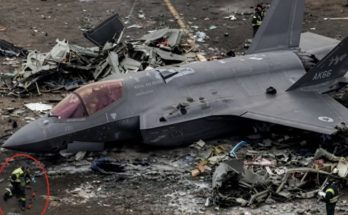
In 2025, Israel experienced a series of security incidents that contributed to heightened tensions across the region. While there was no full-scale invasion or sustained conventional war on its territory, the country faced repeated attacks targeting civilians, transportation hubs, and critical infrastructure, alongside escalating regional hostilities involving both state and non-state actors.
One of the most notable incidents occurred on December 26 in the Harod Valley, where a combined vehicle-ramming and stabbing attack resulted in the deaths of two civilians and left additional individuals injured. This attack reflected an ongoing pattern of localized violence that continued to pose risks to civilian populations in different parts of Israel throughout the year.
Earlier in 2025, southern Israel was targeted in a drone strike attributed to Yemen’s Houthi movement. In September, the city of Eilat was struck, injuring approximately 22 people and raising concerns about the growing reach and sophistication of unmanned aerial attacks in the region. In a separate incident in May, a ballistic missile launched from Yemen impacted an area near Ben Gurion Airport outside Tel Aviv. The strike injured eight people and caused temporary disruption to air travel, underscoring vulnerabilities in key national infrastructure.
These attacks formed part of a broader escalation involving missile strikes, drone operations, and militant activity linked to multiple regional actors. The Houthis played a particularly prominent role in expanding the geographic scope of the conflict, with operations affecting both Israeli territory and maritime routes in surrounding waters, further complicating already fragile regional security conditions.
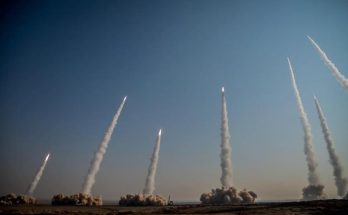
Tensions escalated further in mid-2025 when Israel conducted military strikes on Iranian nuclear and military facilities. These actions prompted retaliatory responses from Iran, leading to a brief but significant period of direct military confrontation between the two countries. The exchange marked one of the most serious escalations in Israel–Iran relations in recent decades and raised concerns about the potential for broader regional destabilization.
Despite these developments, Israel maintained internal security control and responded through a combination of defensive systems and targeted military operations aimed at intercepting incoming threats and limiting further attacks. Authorities continued efforts to strengthen air defense and protect civilian infrastructure amid the evolving threat environment.
At the same time, various unverified claims circulated online regarding imminent large-scale Iranian attacks on the United States. These reports were not supported by credible evidence and were widely regarded as speculative or inaccurate.
Overall, the events of 2025 reflected a volatile security landscape shaped by intermittent attacks, regional proxy involvement, and direct state-level escalation, highlighting the continued instability across the Middle East.