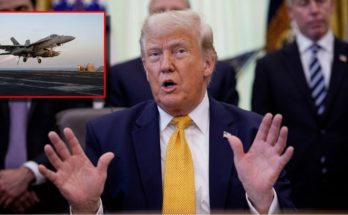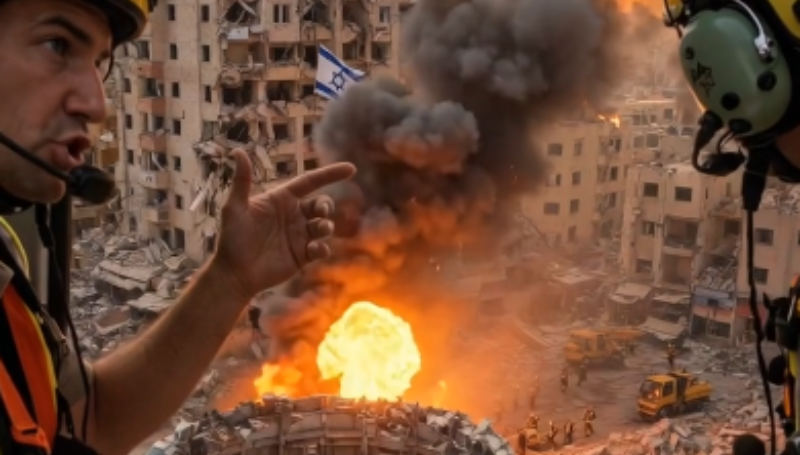
In recent hours, a major escalation in global tensions has emerged, reshaping the geopolitical landscape and drawing urgent international attention. Reports indicate that Israel and the United States have conducted coordinated military strikes targeting sites within Iran, an action that has immediately intensified fears of a broader and more destabilizing regional conflict.
The operation, described by observers as highly unusual due to its joint nature, represents one of the most significant direct military escalations involving these nations in recent years. While full details of the targets and extent of the strikes remain limited, early assessments suggest that strategic and military infrastructure was among the primary focus. The speed at which the situation developed has left little time for diplomatic intervention, contributing to a rapidly deteriorating security environment.
This development has prompted widespread concern regarding both the legality and the ethical dimensions of the strikes. International law experts and diplomatic voices are actively debating whether the actions can be justified under self-defense frameworks or whether they constitute a violation of sovereignty and established norms governing the use of force. The lack of clarity surrounding authorization and evidence has further fueled global scrutiny.
On the ground, the humanitarian implications are already becoming apparent. Populations in affected regions face heightened insecurity, potential displacement, and disruption of essential services. Even limited military operations in densely populated or strategically significant areas can have ripple effects, including strain on medical systems, infrastructure damage, and shortages of basic necessities. Humanitarian organizations are closely monitoring developments and preparing for potential escalation scenarios that could worsen civilian conditions.
The international response has been swift but divided. Some allied governments have expressed conditional support for the strikes, framing them as a necessary response to perceived threats. Others have strongly condemned the actions, warning that they risk undermining international stability and could provoke retaliatory measures. Calls for restraint and renewed diplomatic engagement are growing, with several global institutions urging all parties to avoid further military escalation.
Financial markets have also reacted cautiously, particularly in sectors tied to energy and global trade, reflecting concerns about potential disruptions in a region critical to global supply chains. Analysts warn that prolonged instability could have far-reaching economic consequences beyond the immediate conflict zone.
As events continue to unfold, uncertainty remains high. Whether this marks a contained escalation or the beginning of a broader confrontation will depend largely on the next steps taken by the involved parties and the effectiveness of international diplomatic efforts in the coming days.