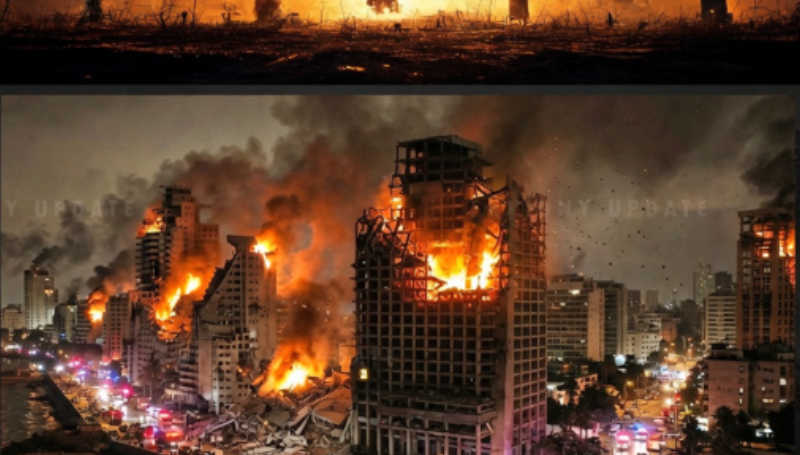
In the early hours of the morning, the calm of Tel Aviv was broken by the sound of sirens and explosions, sending residents rushing for shelter. Reports described a sudden missile barrage that lit up the sky and heightened fears of a dangerous new phase in tensions between Iran and Israel.
According to initial accounts, several projectiles were launched toward Israel, with some identified as part of Iran’s arsenal, including the Haj Qasem missile. Israeli defense systems, particularly the Iron Dome, were activated immediately. Officials reported that many incoming threats were intercepted, though some impacts caused damage in and around the city.
Emergency responders were deployed across affected areas, treating injuries and assessing structural damage. Residents described moments of panic as they sought safety in shelters, underscoring the persistent vulnerability of civilians living under the threat of sudden escalation. While the full extent of casualties and destruction remained unclear, the psychological impact was immediate and widespread.
Analysts noted that the timing of the strike, if confirmed, suggested a calculated move rather than a spontaneous action. Increased military readiness observed in the hours leading up to the incident had already raised concerns among regional observers. If attributed directly to Iran, the attack would mark a significant escalation in a long-standing and deeply rooted rivalry.
The conflict between Iran and Israel has largely unfolded through indirect engagements, including cyber operations and proxy confrontations across the Middle East. A direct missile exchange would represent a shift toward more open confrontation, raising the risk of a broader regional conflict.
International reactions began to emerge quickly. Several governments called for restraint and de-escalation, warning that further military action could destabilize an already volatile region. At the same time, political divisions were evident, with some nations emphasizing Israel’s right to defend itself while others framed the situation within a broader context of regional tensions.
As investigations continue and more details emerge, uncertainty remains high. Questions about potential retaliation, further escalation, and the role of global powers are now at the forefront. For civilians on the ground, however, the immediate concern is safety, as the fragile balance between conflict and stability appears increasingly at risk.