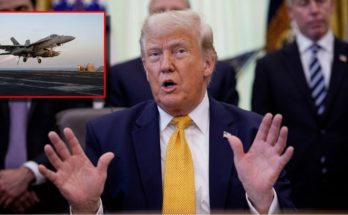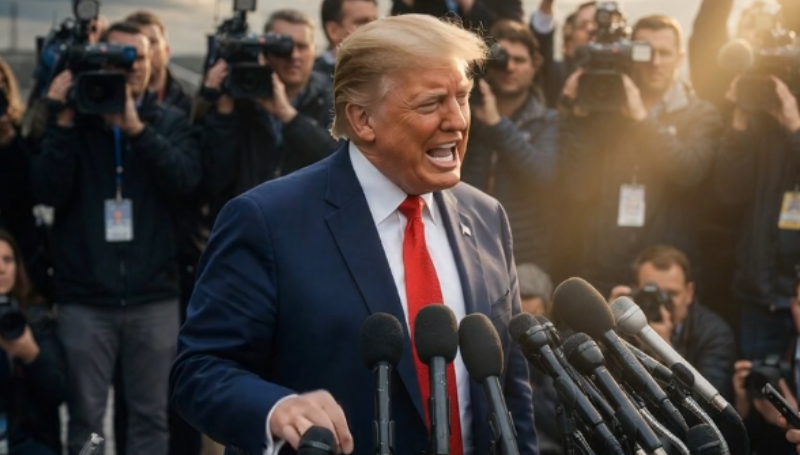
Donald Trump has expressed his belief that his life was spared for a higher purpose—specifically, to serve as the 47th President of the United States and to help restore the nation’s strength. Speaking to supporters at the U.S. Capitol, Trump described his survival as part of a larger mission, stating that he felt he had been “saved by God to make America great again.” He presented this idea as a deeply personal conviction that also shapes his political vision and leadership goals.
This message is not new in Trump’s public remarks. He reiterated the same belief during a joint session of Congress on March 4, 2025. In that address, he referred to an earlier incident in Butler, saying he believed his life had been spared “for a very good reason.” Although he did not go into detail about the event during that speech, the comment reinforced his broader narrative of purpose and resilience.
Trump’s statements have attracted significant attention across both political and public spheres. Supporters have largely welcomed the remarks, interpreting them as a reflection of strong faith, determination, and commitment to the country. For many of his backers, such language underscores what they see as a sense of duty and perseverance, qualities they believe are important in a national leader. They often view his words as symbolic of overcoming challenges and remaining focused on long-term goals.
At the same time, critics have responded with skepticism and debate. Some question the use of religious or destiny-focused language in a political context, arguing that it can be divisive or open to differing interpretations. Others see the remarks as part of a broader communication strategy aimed at energizing his base and reinforcing a particular political identity. These differing perspectives highlight the ongoing divide in how Trump’s rhetoric is received by the public.
Overall, the reaction to his comments reflects the broader polarization in American politics. While some view his statements as inspirational and rooted in personal belief, others interpret them more critically. As a result, Trump’s remarks continue to spark discussion about the role of faith, messaging, and personal narrative in modern political leadership.
Disclaimer: This content is for informational purposes only. Statements attributed to public figures are reported as publicly made and do not imply endorsement.