Panic spread quickly across social media after posts began circulating that claimed former U.S. President Donald Trump had been “shot again” in Washington, D.C.. The dramatic wording of these messages captured immediate attention, prompting a flood of reactions from both supporters and critics. Within a short time, however, it became clear that the viral claims were not grounded in verified facts.
Despite the intensity and reach of the posts, no credible evidence has emerged to support the allegation. Major news organizations, which typically report breaking incidents involving high-profile public figures within minutes, have not published any confirmation. Likewise, no statements have been issued by federal authorities or the United States Secret Service, the agency responsible for protecting current and former presidents. The absence of any official acknowledgment strongly indicates that the claim is false.
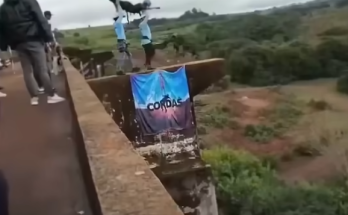
The origin of the confusion appears to lie in misleading online content. Many of the posts included recycled video clips, edited footage, or vague captions that were presented in a way that suggested a new and urgent event. In reality, these materials were either unrelated or taken out of context. Unverified accounts and private groups played a significant role in spreading the rumor, highlighting how easily misinformation can gain traction in digital spaces where speed often outweighs accuracy.
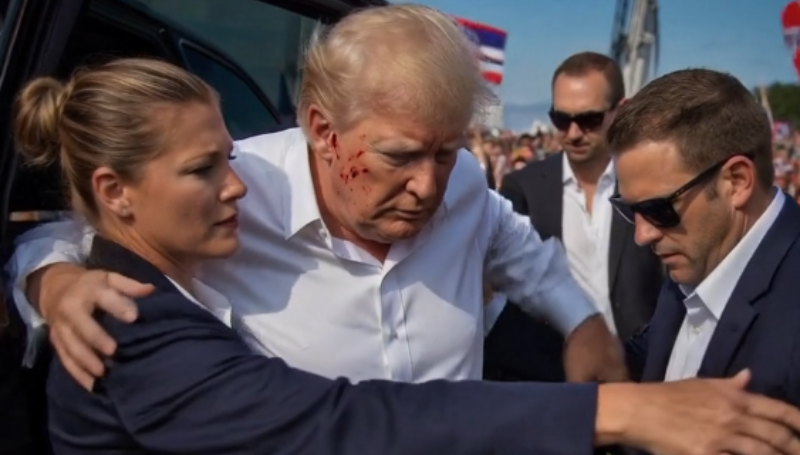
This situation has also been linked to a previous, real incident that occurred in 2024 in Butler, Pennsylvania. During that event, Trump was injured in an assassination attempt at a campaign rally, prompting widespread media coverage, increased security measures, and ongoing investigations. While that incident was thoroughly documented and confirmed by authorities, it is unrelated to the recent viral claims. No similar event has taken place in Washington, D.C., or elsewhere.
Experts in media and public safety warn that the rapid spread of false information can have serious consequences. Sensational but inaccurate reports can cause unnecessary alarm, overwhelm emergency services, and erode public trust in legitimate journalism. Over time, repeated exposure to misinformation may also make it more difficult for people to distinguish between credible news and fabricated stories.
Political analysts note that figures as prominent as Donald Trump are frequent targets of misleading narratives, particularly during periods of heightened political tension. Eye-catching headlines and emotionally charged language are often used to encourage quick sharing, even when the underlying information has not been verified. In many cases, the goal is to generate attention, clicks, or division rather than to inform the public.
At this time, all available and verified information confirms that Donald Trump has not been shot again. There has been no incident in Washington, D.C., or any other location that matches the claims circulating online. Authorities continue to encourage the public to rely on trusted news outlets and official statements when evaluating breaking news.
This episode serves as an important reminder of the need for caution in today’s information landscape. With unverified content capable of reaching millions within minutes, critical thinking and careful verification are essential tools for separating fact from fiction.