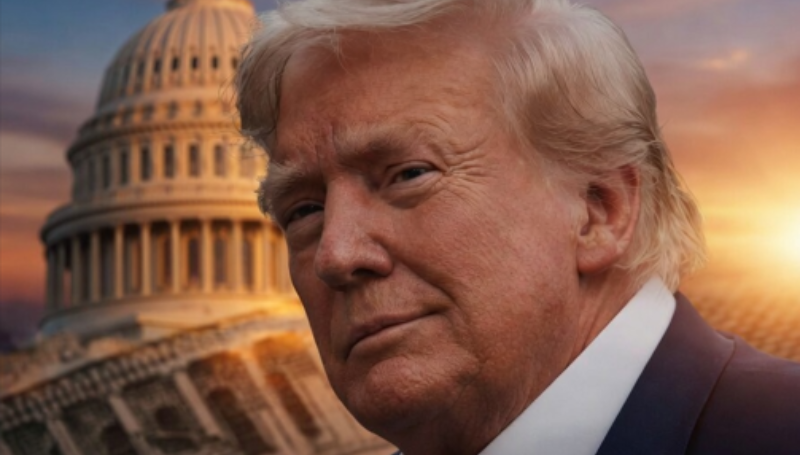
Unlike many U.S. presidents in previous generations, who typically distanced themselves from private business interests and avoided earning income from outside employment while holding office, Donald Trump’s approach during his presidency has been notably different. His background as a businessman and real estate developer has continued to draw public attention, particularly regarding how his personal financial situation has evolved while serving in the White House.
According to reports from several major media outlets, Trump’s total net worth has experienced a substantial increase during his time in office. Estimates cited in these reports suggest that his wealth has risen to approximately $6.3 billion, which represents an increase of around 60 percent compared to the period before he assumed the presidency. This reported growth has been widely discussed in political and economic commentary, as it stands in contrast to the more traditional expectation that sitting presidents maintain a clear separation between personal financial gain and public service.
The discussion surrounding Trump’s finances has also raised broader questions about transparency, conflicts of interest, and the role of private business holdings during a presidential term. Supporters often argue that his business background reflects financial success and effective management, while critics express concern about the potential overlap between public office and private profit.
Overall, the reported increase in wealth has become part of a wider debate about how modern presidents manage personal assets while in office, and whether existing norms and ethical guidelines are sufficient to address the complexities of combining political leadership with extensive private business interests.