Tensions in the Middle East have once again drawn significant international attention as the already strained relationship between Iran and Israel continues to deteriorate. The situation has raised growing concerns among global observers about the potential for a broader regional escalation.
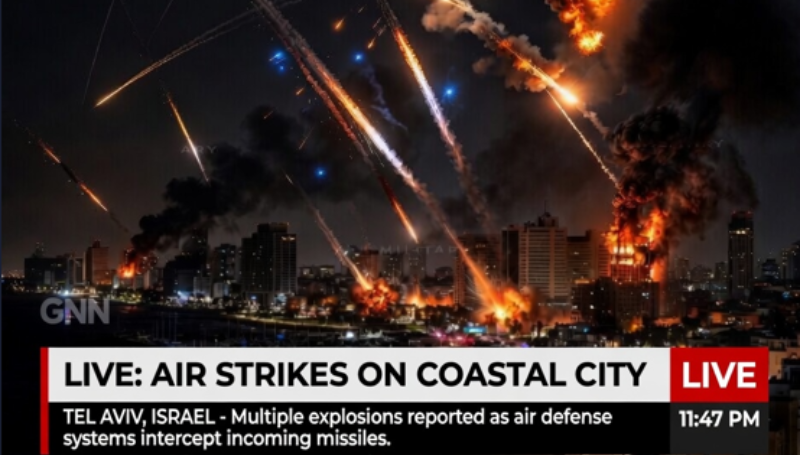
Recent developments have included reports of increased missile and drone activity associated with Iranian forces and allied groups. While details remain disputed and often difficult to independently verify, these incidents have contributed to heightened fears that the long-standing rivalry between the two states could move into a more direct and sustained phase of confrontation.
At the core of the crisis is the ongoing strategic competition between Iran and Israel, two countries with deeply opposing regional interests and a history of indirect conflict. Over the years, this rivalry has frequently played out through proxy groups, cyber operations, and limited military strikes rather than full-scale war. However, the current environment is widely seen as more volatile, with a greater risk of miscalculation.
The involvement of Hezbollah in Lebanon further complicates the situation. As an Iran-aligned armed group positioned along Israel’s northern border, its actions have the potential to open an additional front in any wider conflict. This significantly increases the complexity of security planning and raises concerns about multi-directional escalation.
In response to growing threats, Israel has reportedly strengthened its defensive posture and maintained high military readiness. Iran, meanwhile, continues to frame its regional activities as deterrence and resistance against adversarial pressure, contributing to an already tense strategic balance.
International actors are closely monitoring the situation, with calls from multiple sides urging restraint and renewed diplomatic engagement. There is widespread concern that continued escalation could draw in additional regional players and destabilize an already fragile security environment.
For now, the situation remains uncertain, with both heightened tensions and ongoing diplomatic efforts shaping a rapidly evolving regional landscape.