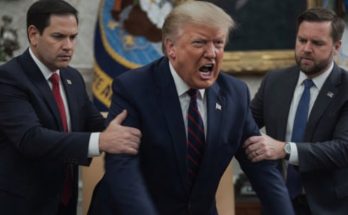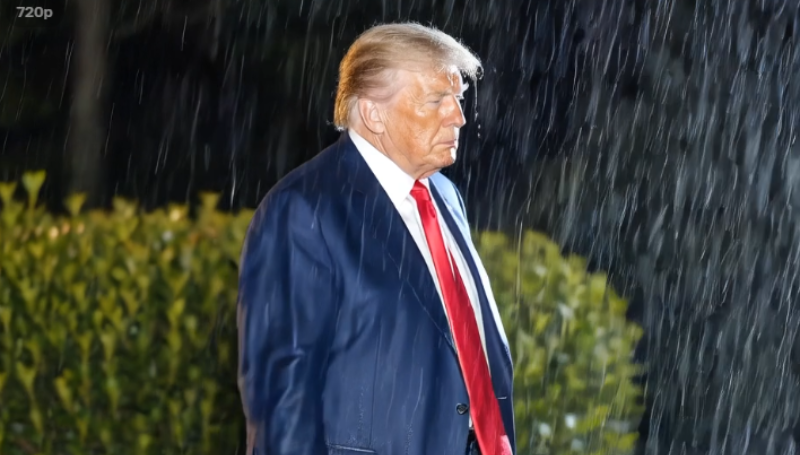
In a recent exchange with the press, Donald Trump firmly denied having any knowledge of a reported plan to declare a national emergency tied to the upcoming midterm elections. When questioned about a circulating draft executive order, Trump expressed skepticism about the report’s origins and stated that he had “never heard about it.” His response quickly drew criticism from J. B. Pritzker, who suggested publicly that Trump’s remarks stopped short of directly denying whether such a proposal exists.
The controversy stems largely from a report published by The Washington Post, which claims that certain pro-Trump activists have been advocating for a significant expansion of presidential authority over election administration. According to the report, these activists are urging the use of emergency powers based on allegations of foreign interference in U.S. elections, particularly claims involving Chinese involvement in the 2020 election cycle. However, those claims have been widely disputed or debunked by officials and independent reviews. Despite this, concerns about election integrity remain a central issue for many Republicans, who continue to push for legislative measures such as the SAVE Act. These proposals generally aim to strengthen voter identification requirements and enforce citizenship verification, though critics argue that instances of non-citizen voting are already illegal and statistically rare.
Adding another layer to the debate, Democracy Docket reported that it had obtained a 17-page draft executive order dated April 12, 2025. The document outlines a sweeping set of proposed changes that would significantly reshape how elections are conducted across the United States. Among its key provisions are requirements for the exclusive use of paper ballots, a ban on electronic vote-counting machines, and a mandate that all election-related equipment be manufactured domestically. The draft also calls for stricter rules governing absentee voting and proposes the use of non-networked voter registration systems to reduce the risk of cyber interference.
These proposals have ignited a substantial constitutional debate. Traditionally, the U.S. Constitution grants states primary authority over election administration, resulting in a wide variety of systems and procedures nationwide. Critics argue that the proposed federal intervention would overstep presidential authority and undermine the role of state legislatures and Congress. Derrick Johnson strongly condemned the reported plan, calling it “outright illegal” and warning that it represents an attempt to bypass established democratic processes. He further characterized the proposal as a reaction to political and economic pressures facing the administration.
On the other hand, supporters of stricter federal oversight argue that reforms are necessary to restore public confidence in elections. Bryan Steil, who chairs the House Administration Committee, has emphasized that measures such as voter ID requirements and maintaining accurate voter rolls are essential to ensuring election integrity. He framed these efforts as making it “easy to vote, but hard to cheat.”
As the 2026 midterm elections approach, this issue continues to highlight deep divisions in American politics, particularly regarding the balance of power between federal and state governments and the broader question of how best to safeguard the democratic process.