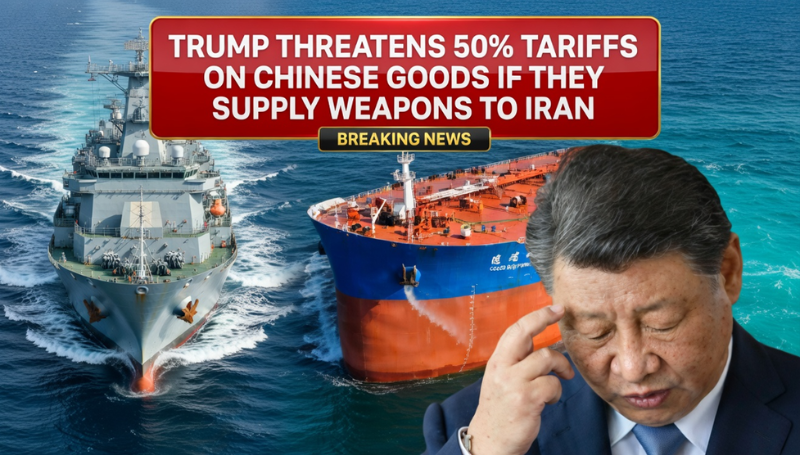
According to unverified reports circulating in recent commentary, tensions between the United States and Iran escalated following a breakdown in weekend peace talks. The claims allege that on April 13, 2026, U.S. naval forces moved to restrict maritime activity near Iranian ports and areas of the Strait of Hormuz, a critical global oil transit route. These assertions have not been independently confirmed by major international news organizations at the time of writing.
The same reports suggest that several oil tankers traveling through the region altered their routes shortly after the purported enforcement action. Two vessels reportedly bound for China are said to have reversed course near the strait after departing anchorage in the Gulf region. The accounts also reference additional tankers whose movements remain unclear or inconsistently reported across tracking sources.
Proponents of the narrative describe the situation as an effort to pressure Iran’s oil exports and limit its revenue streams, framing it as part of a broader strategy tied to regional security and nuclear negotiations. They also claim that heightened naval presence serves as a warning to commercial shipping linked to Iranian energy trade.
However, these claims should be treated with caution. No widely verified official statements or corroborated shipping records currently confirm the existence of a blockade or active targeting of vessels in the manner described. The Strait of Hormuz remains one of the most closely monitored waterways in the world, and any significant military disruption would typically be documented by multiple independent maritime and financial sources.
At present, analysts emphasize the importance of relying on confirmed briefings and satellite or AIS-based maritime verification before drawing conclusions about major naval operations or disruptions to global energy shipping lanes. Given the sensitivity of the region, small misinterpretations of vessel movements can quickly spread and create confusion in fast-moving news environments.