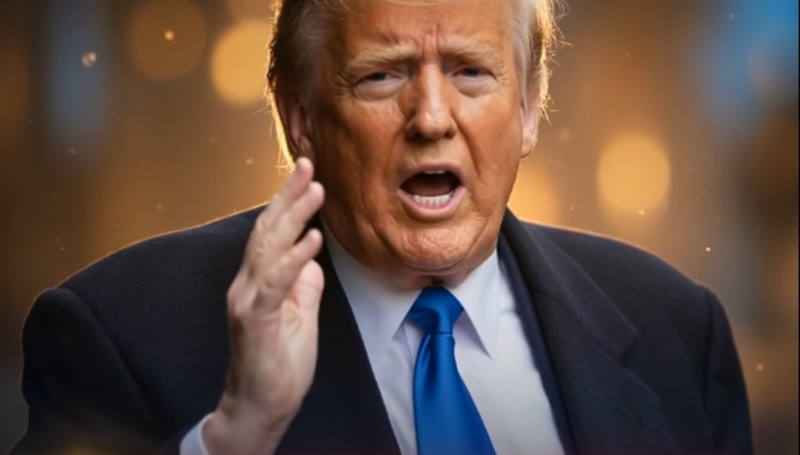
Donald Trump has continued to play a major role in American politics despite facing years of intense scrutiny from media organizations and political adversaries. His ongoing influence reflects not only his individual presence but also deeper divisions within the country regarding trust in institutions, media narratives, and political leadership.
Many of Trump’s supporters believe that coverage of his presidency was often shaped by partisan bias or misleading interpretations. They point to the numerous investigations, controversies, and impeachment proceedings he faced as examples of what they view as politically motivated efforts. In their perspective, these actions were intended to weaken his credibility but ultimately failed to significantly reduce his support. Instead, such events often reinforced the belief among his followers that he was being unfairly targeted by powerful political and media establishments.
For a large segment of the population, Trump represents a departure from traditional political norms. His direct communication style and willingness to challenge established practices have resonated with individuals who feel their concerns were ignored by previous leaders. Issues such as border security, economic nationalism, and an “America First” approach to foreign policy remain central to his appeal. Supporters argue that these priorities speak directly to the needs of everyday Americans who believe their voices had been overlooked for years.
The connection between Trump and his base has proven remarkably strong over time. Rather than diminishing his influence, ongoing criticism and political conflict have, in many cases, deepened the loyalty of his supporters. Many view him as a figure who is willing to confront entrenched systems and stand up against institutions they distrust. This dynamic has transformed Trump into more than just a political leader; for many, he symbolizes resistance to what they see as an unresponsive or biased establishment.
At the same time, Trump continues to be a highly divisive figure in American society. Critics argue that his rhetoric and leadership style have contributed to increased polarization and have raised concerns about democratic norms and political discourse. These opposing viewpoints ensure that discussions about his legacy and future role remain highly contentious.
Ultimately, Trump’s lasting impact highlights significant changes in the American political landscape. His influence underscores shifting attitudes toward media credibility, the role of political outsiders, and the priorities of voters. Whether viewed as a disruptive force for change or a source of division, his presence continues to shape national debates about leadership, trust, and the future direction of the United States.