The relationship between military power and energy security has long been a central element of global strategy. Nations rely on steady access to energy resources—such as oil, natural gas, and renewable sources—to sustain economic growth and maintain political stability. At the same time, they depend on military capabilities to protect these resources, secure supply routes, and maintain influence in key regions. This connection highlights a fundamental truth of international relations: energy and security are closely linked.
Energy security refers to the reliable availability of affordable energy needed for national development. For industrialized countries, disruptions in supply can lead to economic downturns, inflation, and social unrest. For developing nations, access to energy is essential for modernization, infrastructure growth, and poverty reduction. Historically, fossil fuels—especially oil—have dominated global energy systems. Oil remains critical not only for civilian use but also for military operations, as armed forces depend on fuel for transportation, logistics, and sustained missions.
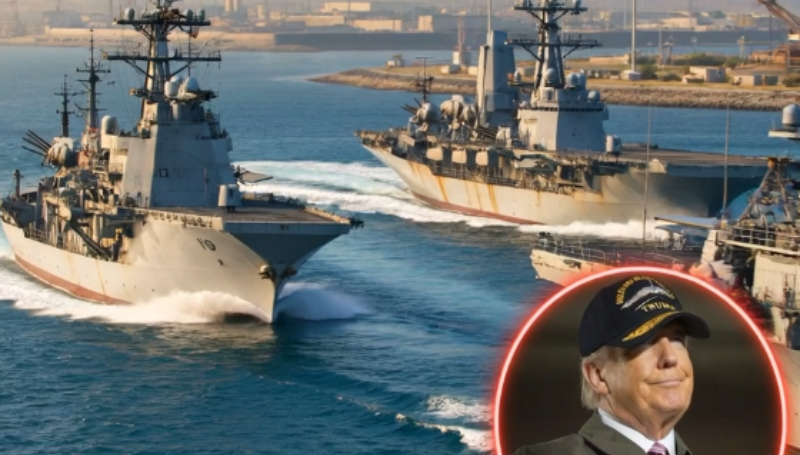
Military power plays a crucial role in maintaining energy security. One key function is protecting supply routes, particularly maritime pathways that transport a large share of global energy. Strategic chokepoints like narrow sea passages are vital to international trade, and disruptions in these areas can have global consequences. Naval forces help ensure safe passage, deter piracy, and prevent conflicts that could interrupt energy flows. In addition, military presence in key regions serves as a deterrent against adversaries and reassures allies of continued access to essential resources.
The link between energy and military power has been evident in major historical conflicts. Control over energy supplies has often influenced strategic decisions and outcomes. For example, conflicts in energy-rich regions have demonstrated how access to oil can shape global politics and military interventions. More recently, geopolitical tensions have shown how countries can use energy dependence as a tool of influence, affecting both economic stability and political decision-making in other nations.
Beyond direct conflict, military forces are frequently deployed to protect energy infrastructure and maintain stability in resource-rich regions. Areas with significant oil and gas reserves often host foreign military bases or security partnerships aimed at safeguarding pipelines, refineries, and transport systems. Energy infrastructure has also become a target for sabotage and terrorism, requiring constant protection. In today’s digital age, cyber threats pose an additional risk, as attacks on power grids or pipelines can disrupt energy supply without physical confrontation. As a result, cybersecurity has become an important part of national defense strategies.
The global shift toward renewable energy is changing the dynamics of energy security. Renewable sources such as solar and wind power offer the possibility of greater independence, reducing reliance on imported fossil fuels. However, this transition introduces new challenges, particularly the need for critical minerals used in clean energy technologies. Control over these resources is becoming increasingly important, creating new forms of competition and strategic concern.
At the same time, the relationship between military power and energy security raises ethical and political questions. Some argue that using military force to secure energy resources can contribute to conflict and environmental damage, especially when tied to fossil fuels. Others believe that maintaining stable energy supplies is essential for global stability and that military presence can prevent larger conflicts through deterrence.
In conclusion, military power and energy security remain deeply interconnected. Although the nature of this relationship is evolving with technological change and the rise of renewable energy, its importance continues. Understanding this connection is essential for navigating the complexities of modern global politics and ensuring a balance between security, sustainability, and cooperation.