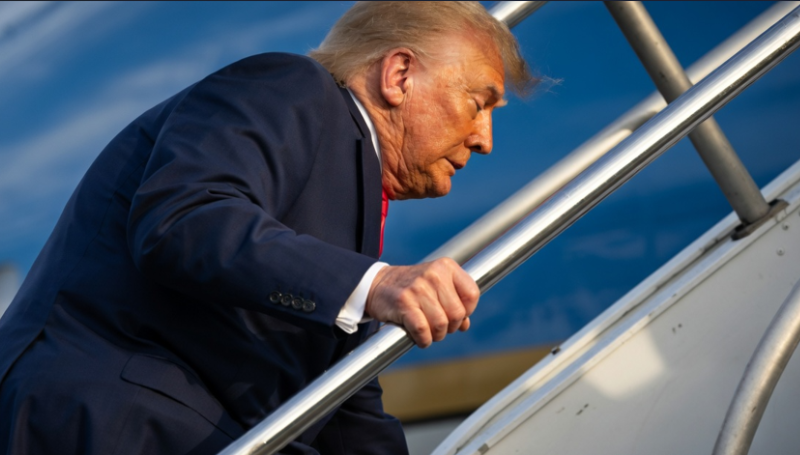
Reports claiming that Donald Trump now faces 13 articles of impeachment are circulating widely, but the reality is more nuanced than the headlines suggest.
A member of Congress recently introduced a resolution that includes 13 separate articles outlining alleged misconduct. These articles describe various accusations and are part of a formal proposal to begin impeachment proceedings. However, introducing such a resolution is only the first step in a lengthy political and legislative process.
For impeachment to actually occur, the U.S. House of Representatives must debate and vote on the articles. Only if a majority of House members approve them would Trump be officially impeached. At this stage, that has not happened. The resolution remains a proposal without the necessary support to move forward, particularly given the current political balance in the House.
The claim that this represents “the most articles of impeachment in history” is technically accurate in terms of the number included in a single proposal. However, it can be misleading. These 13 articles are part of one resolution, not multiple separate impeachment actions. In past cases, presidents have faced multiple articles within a single impeachment proceeding as well.
In short, while it is true that a lawmaker has introduced a set of 13 proposed articles, it does not mean that Trump has been impeached again. The situation reflects a political effort rather than a completed constitutional action. Understanding this distinction is key to separating fact from exaggeration in viral claims.