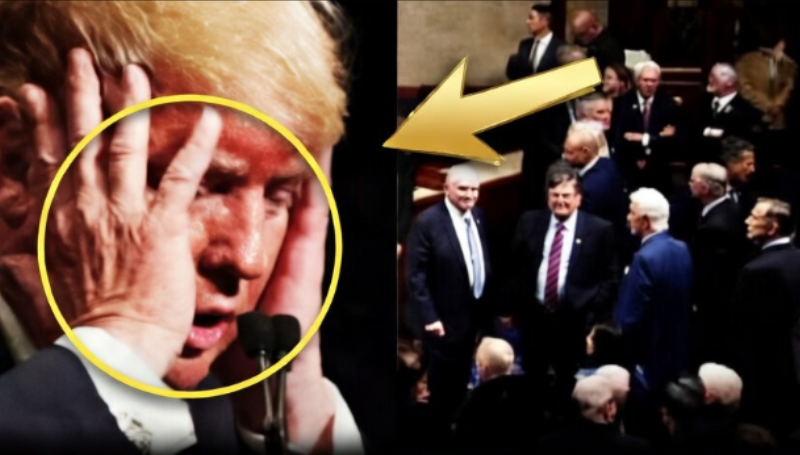
A wave of striking headlines has recently spread across political media, claiming that U.S. senators are urging Donald Trump to resign immediately. The tone of these reports has been urgent and dramatic, giving the impression of a sudden and unified shift within Washington’s political leadership. At first glance, the situation appears extraordinary, suggesting that a major political turning point could be unfolding in real time.
The controversy is reportedly tied to unverified claims of a joint U.S.–Israel military strike on Iran—an event that, if confirmed, would carry serious global consequences. However, even before any official confirmation emerged, the narrative began spreading rapidly. Social media platforms played a major role in amplifying the story, with viral posts claiming that dozens of senators were demanding Trump’s resignation. This created a perception of coordinated political action and raised expectations of swift developments.
As attention grew, legal experts began offering a more grounded perspective. They emphasized that, under the U.S. constitutional system, a president cannot be removed from office simply due to political pressure, no matter how intense or widespread it may be. While public statements from lawmakers can shape political discourse, they do not have the power to directly end a presidency.
In reality, there are only three established methods for removing a sitting U.S. president. The first is impeachment by the House of Representatives, followed by conviction in the Senate with a two-thirds majority. This process is intentionally difficult, designed to ensure stability and prevent removal based on shifting political winds.
The second option is voluntary resignation, which depends entirely on the president’s own decision. A notable example is Richard Nixon, who stepped down in 1974 during the Watergate scandal as political pressure and legal risks intensified.
The third mechanism is outlined in the 25th Amendment to the United States Constitution. This provision allows the vice president and a majority of the cabinet to declare a president unfit to serve. Even then, the process includes multiple safeguards and allows the president to challenge the decision, making it far from simple or immediate.
What is currently circulating online does not fall within these formal processes. Even if a large number of senators were to publicly call for resignation, such a move would carry symbolic importance rather than legal force. It may influence public opinion or future political strategy, but it would not change the president’s status under the law.
This situation highlights how quickly narratives can outpace verified facts in today’s fast-moving information environment. Emotionally charged claims often gain traction before they are fully confirmed, leading to confusion and heightened speculation.
At present, there has been no verified action such as impeachment proceedings or a formal invocation of the 25th Amendment. Without these steps, the presidency remains unchanged, regardless of the intensity of public or political pressure.