The relationship between military power and energy security has long played a central role in shaping global strategy. Energy is essential for economic stability, industrial production, and everyday life, while military strength helps protect the systems that ensure its steady flow. Together, they form a foundation upon which nations build their security and influence.
Energy security refers to the ability of a country to maintain a reliable and affordable supply of resources such as oil, natural gas, electricity, and increasingly renewable energy. For advanced economies, disruptions can lead to inflation, production slowdowns, and political instability. In developing nations, consistent access to energy is often the key to expanding infrastructure, transportation, and manufacturing capacity.
For much of modern history, oil has been the most strategically important resource. It fuels transportation networks, aviation, shipping, and military operations. Armored vehicles, aircraft, and naval fleets all rely heavily on petroleum, making it not only an economic necessity but also a critical defense concern. Without secure fuel supplies, even the most advanced militaries cannot operate effectively.
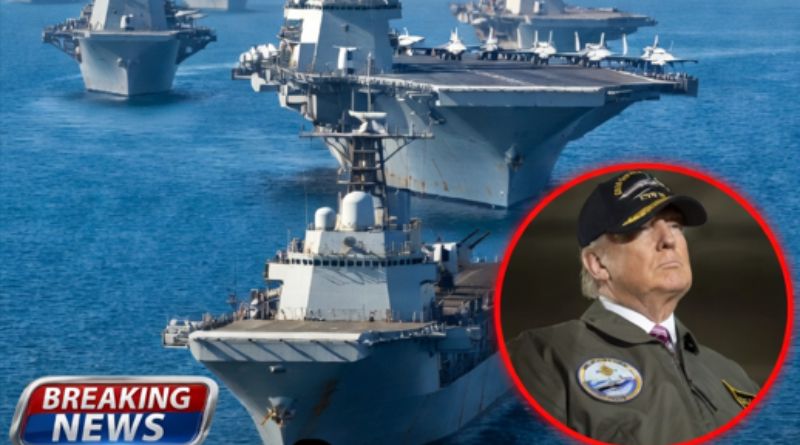
Military forces play a direct role in safeguarding energy access. Naval fleets patrol major shipping routes, particularly narrow chokepoints such as straits and canals through which a large portion of global oil and gas is transported. These areas are vulnerable to piracy, regional conflicts, and political tensions, making their protection essential to global trade and economic stability.
A strong military presence also acts as a deterrent. Deployments near energy-rich regions can discourage attacks on infrastructure, reassure allies, and shape regional power dynamics. In some cases, military involvement extends to stabilizing fragile states where pipelines, refineries, and export terminals are at constant risk.
History underscores this connection. During both World Wars, access to oil was a decisive factor in military success. Nations that secured reliable fuel supplies gained a clear strategic advantage. In the Cold War era, competition between superpowers often centered on influence in resource-rich regions, with alliances and military aid shaped by energy concerns.
Today, maritime security remains a key example of this relationship. A significant share of global energy trade moves by sea, including crude oil and liquefied natural gas. Naval operations and international anti-piracy missions help ensure that these supplies reach global markets without disruption.
Energy infrastructure itself has also become a critical security concern. Pipelines, refineries, and power grids are increasingly targeted in both conventional and cyber warfare. As a result, modern militaries are now tasked with protecting not only physical assets but also digital systems that support energy distribution.
As the world shifts toward renewable energy, strategic priorities are beginning to evolve. While dependence on fossil fuel routes may decline, competition over critical minerals and advanced technologies is growing. Despite these changes, the link between military capability and energy security will remain a defining factor in global affairs.