Interesting For You


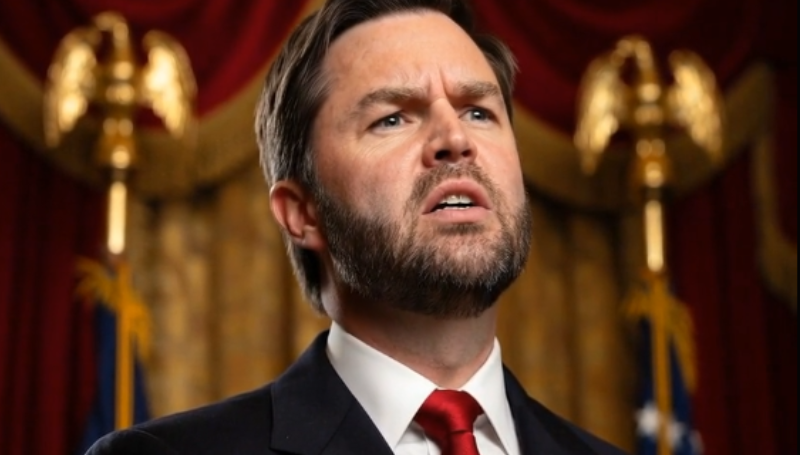
Looking ahead to the 2028 U.S. presidential election, JD Vance is frequently discussed as a possible Republican contender, although he has not officially declared a campaign. In recent years, his national visibility has increased substantially, driven by his role in the Senate and his alignment with a more populist, nationalist wing of the Republican Party. This rise in prominence has helped him build a strong base of support among certain conservative voters, though his appeal across the broader electorate remains less certain.
Early signs suggest that Vance connects well with segments of the Republican base that favor anti-establishment messaging and a more assertive approach to cultural and economic issues. However, the Republican Party is diverse, and not all factions are fully aligned behind him. Some party members question whether he has the experience, consistency, or broad appeal needed to lead a national ticket. As a result, his chances in a competitive primary could depend heavily on the other candidates who choose to run and how party dynamics evolve in the coming years.
In a general election scenario, Vance’s prospects would likely be shaped by several key factors. The identity and strengths of the Democratic nominee would play a major role, as would the overall political and economic climate at the time. Voters tend to evaluate candidates based on their positions on major issues such as the economy, healthcare, immigration, and foreign policy. In addition, qualities like leadership style, communication skills, and perceived effectiveness in public office often influence voter decisions.
External events will also be critical in shaping public perception. Economic conditions, international developments, and domestic challenges can all shift voter priorities and redefine what qualities they value in a presidential candidate. Vance’s participation in national debates and his responses to unfolding issues may significantly influence how he is viewed by both supporters and undecided voters.
Another important consideration is the role of party loyalty and political polarization. While many voters tend to support candidates from their preferred party, elections are often decided by independents and moderates who may be more flexible in their choices. For Vance, expanding his appeal beyond his core base could be essential if he hopes to be competitive in a nationwide contest.
Ultimately, whether someone would choose to vote for a candidate like Vance depends on how closely his policies and leadership style align with their individual values and priorities. At this stage, it is still too early to make firm predictions about his chances in 2028. Political landscapes can change quickly, and candidates often adjust their strategies as campaigns develop. Much will depend on future events, campaign dynamics, and the alternatives presented to voters when the election cycle fully takes shape.