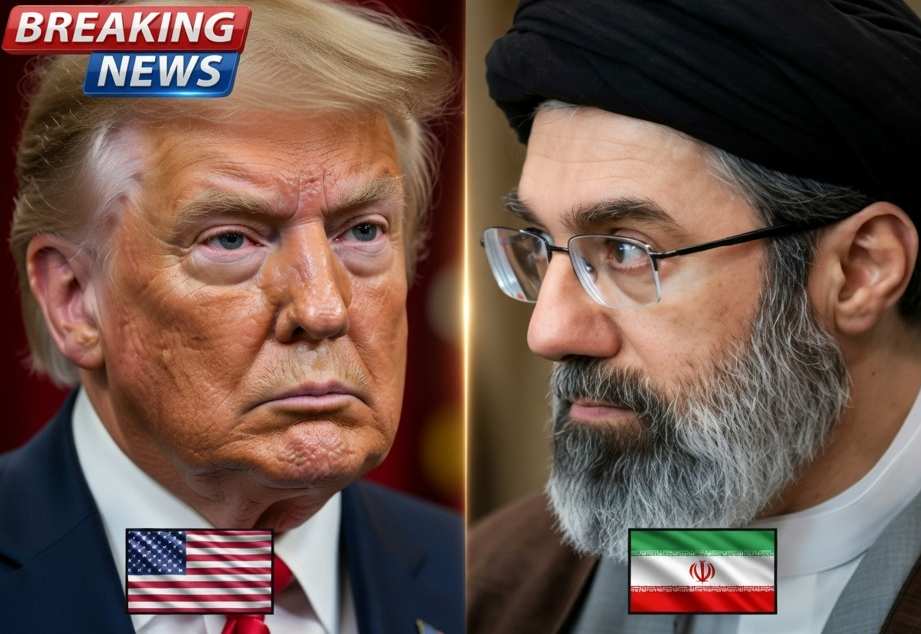
In the wake of provocative statements by Donald Trump, Iran has issued a stern warning that signals a major shift in regional conflict dynamics. Tehran has drawn a firm red line around its energy infrastructure, explicitly stating that any future attacks on its power plants could trigger a direct retaliatory response. This marks a strategic recalibration: previous limits on targeting civilian and industrial sites may no longer apply if the national energy grid is threatened. The message is clear—this is a calculated deterrent aimed at preventing further strikes, but it also raises the stakes for miscalculation.
Analysts warn that the current situation carries a heightened risk of escalation. Both sides appear to be testing the boundaries of acceptable action, creating a volatile environment in which misunderstandings could quickly lead to confrontation. Tehran’s warning is not purely military in nature; it underscores a critical humanitarian dimension. Destruction of energy systems would have immediate and catastrophic consequences for hospitals, water networks, and emergency response centers. Beyond the immediate human cost, such disruptions could destabilize entire communities and strain regional humanitarian systems.
The implications extend well beyond Iran’s borders. The region remains a linchpin of global energy production, and any disruption to its infrastructure could have ripple effects on international markets. Oil and gas supply chains are particularly vulnerable, raising concerns about potential price shocks and broader economic instability worldwide. In this context, Tehran’s defensive posture is as much about signaling to global audiences as it is about deterring specific adversaries.
Competing narratives are emerging as both sides seek to justify potential military actions. Tehran presents its stance as a necessary safeguard to protect civilian infrastructure and maintain regional stability, while the opposing perspective frames Iran’s warnings as provocative and escalatory. These narratives influence international perception, shaping public opinion and diplomatic responses across multiple continents.
As tensions remain high, the risk of miscalculation is acute. Each side’s strategic messaging, combined with the humanitarian and economic stakes, underscores the precariousness of the situation. The evolving confrontation around Iran’s energy infrastructure is thus not just a regional issue—it is a flashpoint with potential global ramifications, demanding careful attention from policymakers, analysts, and international observers alike.