Pakistan Offers to Host US–Iran Peace Talks Amid Middle East Conflict
Pakistan’s Prime Minister Shehbaz Sharif has announced that his country is ready to “facilitate meaningful and conclusive talks” aimed at ending the ongoing war in the Middle East. Officials have indicated that Islamabad is being considered as a possible venue for negotiations between the United States and Iran.
Sources in Pakistan have suggested that Vice President JD Vance could serve as the US chief negotiator if talks proceed. Iranian officials, however, have stated they will not meet with Steve Witkoff, the Trump administration’s Middle East envoy, or Jared Kushner, who previously led nuclear talks with Iran. From Iran, Mohammad Bagher Ghalibaf, speaker of the Iranian parliament, is expected to lead any delegation, though he has called reports of discussions “fake news.”
Pakistan’s military leadership has also been actively involved in diplomatic efforts. Army Chief Asim Munir reportedly spoke with former President Donald Trump on Sunday regarding the conflict. Sharif subsequently held a phone call with Iranian President Masoud Pezeshkian on Monday, during which both leaders “agreed on the urgent need for de-escalation, dialogue, and diplomacy,” according to an official statement.
While Islamabad has emerged as a preferred venue for Iran, no location has been formally confirmed. Other countries under consideration include Qatar, Turkey, and Egypt. Sharif emphasized Pakistan’s readiness, stating on X that the country is “honored to be the host to facilitate meaningful and conclusive talks for a comprehensive settlement of the ongoing conflict,” subject to agreement from both the US and Iran.
Iran has expressed “zero trust” in Washington and rejected Witkoff and Kushner as negotiators, viewing them as representatives of a past approach aimed at military confrontation rather than diplomacy. Vance, by contrast, is seen as a more credible interlocutor.
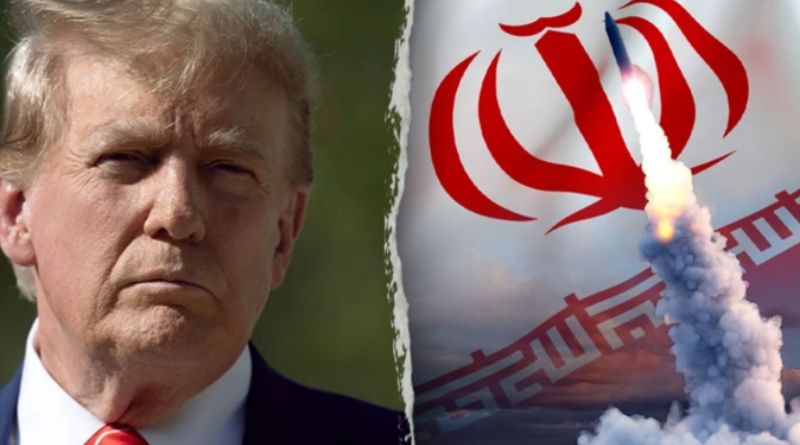
Trump indicated that the US could halt strikes, describing discussions with Iranian officials as “very, very strong” and suggesting that there are “major points of agreement.” At the same time, he issued a five-day ultimatum, warning that Iran’s power plants and energy infrastructure could be targeted if the Strait of Hormuz, a critical shipping route currently blocked by Iran, is not reopened.
Diplomatic sources report that Pakistan, Oman, Turkey, and Egypt have been in contact with both Washington and Tehran to promote peace. Pakistan’s economy has already been affected by the conflict, with fuel shortages and rising energy costs due to its reliance on oil and gas transported through the Strait of Hormuz. The country’s close ties with Gulf states, including a new defense agreement with Saudi Arabia, further underscore its role in regional diplomacy.