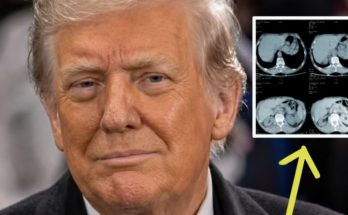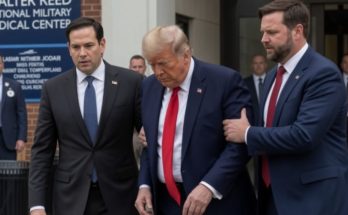
Shock spread rapidly across social media today after claims began circulating that former U.S. President Donald Trump had been “shot again” in Washington, D.C. The alarming wording caught immediate attention, fueling panic, speculation, and a wave of emotional responses from both supporters and critics. Within a short time, however, the facts behind the viral posts started to emerge, revealing a situation far less dramatic than initially suggested.
Despite the intensity and reach of the claims, no credible evidence supports them. Major news outlets, including both U.S. and international organizations, have not reported any such incident. Likewise, there have been no confirmations from law enforcement agencies, the Secret Service, or medical institutions. In cases involving a high-profile figure like Trump, verified information typically surfaces quickly from multiple reliable sources. The complete lack of confirmation strongly indicates that the claim is false.
Further examination suggests that the confusion originated from misleading content shared online. Some posts appear to reuse old footage, while others rely on exaggerated or fabricated captions designed to attract attention. Many of these posts can be traced back to unverified accounts or private groups, where sensationalism often takes priority over accuracy. In today’s digital environment, where information spreads instantly, false reports can gain traction long before they are questioned or debunked.
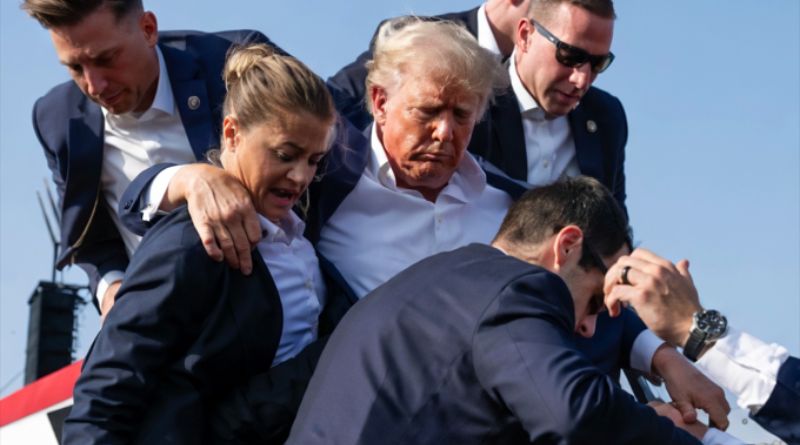
It is important to distinguish these rumors from actual past events. In 2024, Trump survived an assassination attempt during a rally in Butler, Pennsylvania, an incident that was widely covered and thoroughly documented. That event led to increased security measures and ongoing investigations. Since then, while there have been reports of potential threats, no confirmed incident resembling the current viral claim has occurred.
Experts caution that the spread of misinformation can have real consequences. False reports can cause unnecessary fear, lead to confusion, and place strain on emergency services and public institutions. They also contribute to a broader erosion of trust in legitimate news sources, making it more difficult for people to identify accurate information during real emergencies.
Political observers note that prominent figures like Trump are frequent targets of misinformation, particularly during periods of heightened political tension. Sensational claims are often crafted to provoke strong emotional reactions, encouraging users to share content without verifying its authenticity. In many cases, the objective is to generate clicks and engagement rather than to inform the public.
At present, all verified information confirms that there has been no new attack on Donald Trump. Authorities continue to urge the public to rely on trusted sources and official statements when assessing breaking news. This episode highlights the importance of critical thinking and careful verification in an age where misinformation can spread faster than the truth.