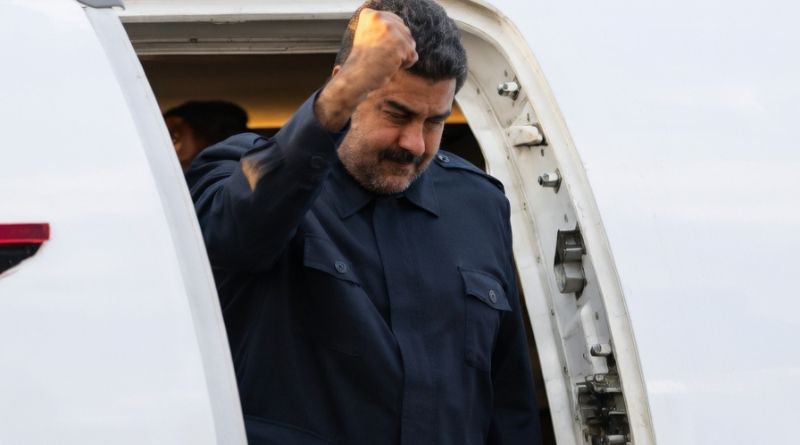
In recent weeks, viral posts and headlines have claimed that Venezuelan leader Nicolás Maduro is “returning to his homeland” or preparing to go back to Venezuela. These reports have caused confusion on social media, prompting many to wonder whether Maduro is indeed returning. However, verified information tells a very different story.
Currently, Nicolás Maduro is not returning to Venezuela. He remains in U.S. custody following a major military operation in early January 2026. During that operation, U.S. forces entered Venezuela, captured Maduro, and transferred him to New York, where he now faces serious federal charges. These include drug trafficking conspiracy, narco-terrorism, and related criminal counts. Maduro has pleaded not guilty and remains detained while his legal case continues.
The January 3, 2026, operation involved coordinated air and ground forces, intelligence support from multiple agencies, and the rapid extraction of Maduro and his associates. This event was a significant turning point in modern Latin American geopolitics and drew widespread international attention.
Following Maduro’s removal from power, leadership in Venezuela passed to Delcy Rodríguez, who now serves as acting president. Her administration is managing government operations, economic policy, and international relations, with efforts underway to stabilize the country and rebuild diplomatic ties, including renewed engagement with the United States.
At this time, there is no credible evidence that Maduro is preparing to return. He remains detained in the U.S., his legal case is ongoing, and no official announcements suggest a transfer or release. Claims to the contrary appear to be based on rumors, misinformation, or misleading headlines.
The spread of these rumors is fueled by several factors. Venezuela’s political situation is highly sensitive, and news about its leadership attracts global attention. Stories involving arrests, leadership changes, or international conflict often provoke strong emotional reactions, making them highly shareable online. Additionally, click-driven headlines frequently exaggerate or oversimplify events, using phrases like “Breaking news” or “You won’t believe what happened next” to generate attention rather than provide context.
Internationally, reactions to Maduro’s capture vary. Some governments have expressed concerns about sovereignty and international law, urging diplomatic solutions and stability, while others have supported efforts aimed at political change in Venezuela. Domestically, Venezuelans continue to debate political reform and leadership, with opinions divided and some expressions of support for Maduro.
Social media plays a major role in shaping perception, enabling the rapid spread of unverified claims and oversimplified narratives. To stay informed, it is important to check multiple sources, rely on official statements, and approach viral content cautiously.
In conclusion, Nicolás Maduro is not returning to Venezuela. He remains in U.S. custody, and Venezuela continues under interim leadership. This situation highlights the importance of verifying information before accepting headlines at face value.