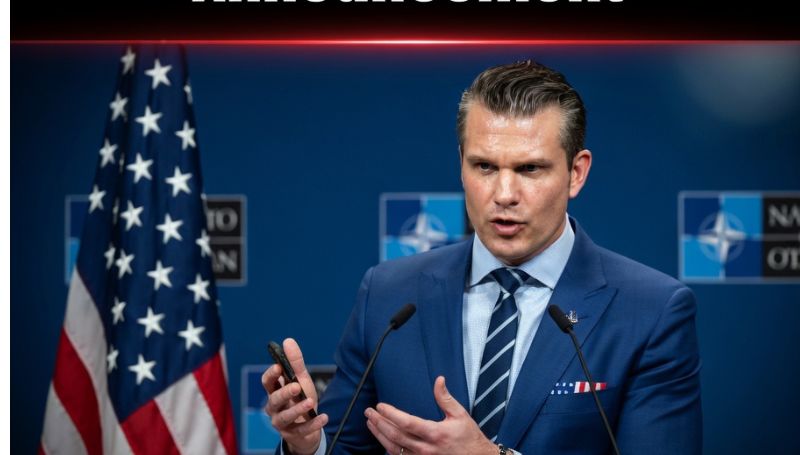
Defense Secretary Pete Hegseth sharply criticized the media and what he called “disgruntled former employees” amid growing controversy over reports involving the encrypted messaging app Signal. Speaking to reporters at the White House during the annual Easter Egg Roll event, Hegseth dismissed recent allegations that he improperly shared sensitive information in private chats related to U.S. military operations in Yemen.
The controversy stems from an earlier incident in which a journalist was accidentally added to a Signal group chat that included senior administration officials discussing a planned military strike on Houthi targets. The journalist later published the messages, raising concerns about how sensitive operational details were handled. Additional reporting claimed that Hegseth may have also discussed aspects of a separate military operation in another Signal conversation that included family members, further intensifying scrutiny. Hegseth denied the accusations and pushed back strongly against the reports. He argued that the claims were based on anonymous sources with questionable motives and accused the media of attempting to damage his reputation. He framed the situation as part of a broader pattern of unfair coverage, insisting that such attacks would not derail his efforts to reform the Department of Defense and refocus it on military effectiveness. The White House has also defended Hegseth. Press Secretary Karoline Leavitt rejected a report suggesting that the administration was considering replacing him, calling the claim false and based on unreliable sourcing. She reiterated that the president continues to support Hegseth in his role. President Donald Trump echoed that support, stating that Hegseth is doing a strong job and downplaying the significance of the Signal incident. Trump suggested that responsibility for the original messaging mishap lay with another official who reportedly added the journalist to the chat by mistake. He also emphasized that the military operation discussed in the messages was ultimately successful, arguing that no harm was done. Despite these defenses, the situation has raised broader questions about communication practices within the administration, particularly regarding the use of private messaging apps for discussions that may involve sensitive or classified information. Critics argue that even unintentional disclosures can pose risks to national security and warrant closer examination. Overall, the dispute reflects ongoing tensions between government officials and the media, with sharply different interpretations of the same events and their implications.