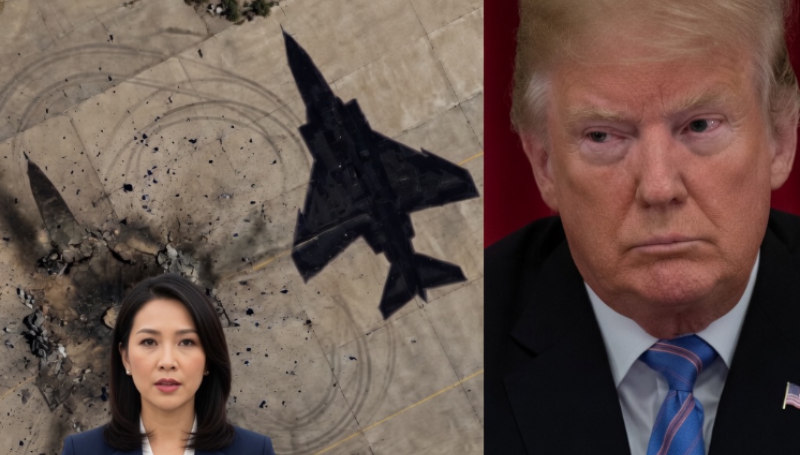
A recent viral headline claiming that Iran had painted warplanes on concrete sparked widespread concern and confusion across social media. Dramatic images accompanied the story, leading many users to speculate about a possible military buildup or an imminent attack. However, further verification revealed that the situation was far less serious than it initially appeared, highlighting how quickly misinformation can spread when context is missing.
In reality, the images of painted warplanes were part of routine military training exercises in Iran. These markings are commonly used in simulations to help train personnel in identifying aircraft, planning tactical responses, or practicing targeting in controlled environments. In some cases, such visuals may also function as decoys designed to mislead surveillance systems or confuse potential adversaries. Rather than signaling aggressioan, these exercises are intended to improve readiness and defensive capabilities.
Military experts emphasize that the use of decoys and mock installations is not new. Throughout history, armed forces have relied on similar strategies to gain strategic advantages. During World War II, for example, both Allied and Axis forces used inflatable tanks, fake airfields, and painted aircraft to deceive enemy reconnaissance missions. Similarly, during the Cold War, nations constructed decoy missile sites and mock military bases to confuse opposing intelligence. These tactics remain relevant today as part of modern defense planning.
The story gained traction largely due to the way it was presented online. Sensational headlines and striking imagery triggered emotional reactions, prompting users to share the content rapidly—often without reading the full article or verifying its accuracy. Social media algorithms tend to prioritize content that generates strong engagement, especially fear-based or dramatic narratives. As a result, a routine training activity was briefly perceived by some as a serious geopolitical threat.
Public reactions were mixed. Some individuals expressed alarm, fearing escalation or potential conflict, while others felt relieved after learning the full context. Many also criticized media outlets and content creators for using attention-grabbing headlines that lacked sufficient explanation. Critics argued that such practices contribute to unnecessary panic and erode public trust in information sources.
This incident underscores the importance of media literacy in the digital age. Readers are encouraged to verify information before sharing it, look beyond headlines, and consider the broader context of any story—especially those related to military or international affairs. Experts recommend relying on credible news organizations, official statements, and verified analysts to gain a more accurate understanding of events.
Ultimately, the viral “painted warplanes” story demonstrates how easily perception can be shaped by incomplete or exaggerated information. What appeared to be a potential threat was, in fact, a harmless training exercise. The episode serves as a reminder that not all alarming headlines reflect reality and that careful, critical thinking is essential when navigating today’s fast-paced information landscape.