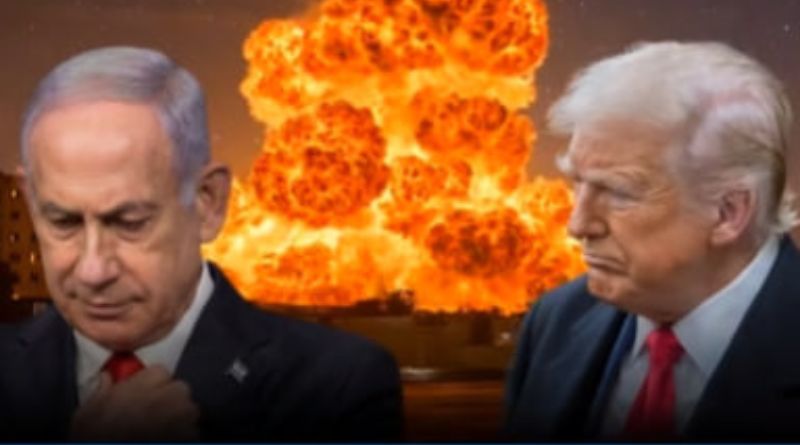
Iran’s Missile Strikes on Israel Escalate Regional Tensions Amid Broader Conflict
Iran’s recent ballistic missile attacks against Israel have marked a significant escalation in tensions across the Middle East. According to reports, some of the missiles used in strikes targeting areas near Tel Aviv carried cluster-type munitions, prompting concern from governments and humanitarian organizations. Cluster weapons disperse multiple smaller submunitions over a wide area and have long been criticized because unexploded remnants can pose dangers to civilians long after hostilities end.
Iranian officials have described the attacks as retaliation for the killing of senior military and security figures that Tehran attributes to Israel. The scale and frequency of the exchanges have led analysts to suggest that the confrontation is moving beyond the long-standing pattern of indirect conflict through regional proxies toward more direct military engagement.
Israel’s multilayered air-defense network, including the Iron Dome and Arrow systems, has intercepted many incoming missiles and drones. However, security analysts have noted that sustained, large-scale attacks can place significant pressure on even advanced missile-defense systems.
The conflict has also affected the broader region. During the escalation, Iranian forces and Iran-aligned groups have reportedly targeted U.S. military facilities and partner installations in several Gulf countries, including Bahrain and the United Arab Emirates. In response, the United States has increased its military involvement and has conducted operations alongside Israel against Iranian military infrastructure and other strategic sites.
Civilian populations on multiple sides of the conflict have faced growing risks, with reports of casualties, infrastructure damage, and displacement. Global energy markets have experienced volatility amid concerns that fighting could disrupt oil production and shipping routes, particularly through the strategically important Strait of Hormuz.
Diplomatic efforts aimed at reducing tensions have encountered significant obstacles as both Iran and Israel continue to signal readiness for further military action. International leaders and humanitarian organizations have warned that a broader regional conflict could carry serious humanitarian, economic, and geopolitical consequences extending well beyond the Middle East.