U.S.-Iran Talks End Without Agreement, Vance Says
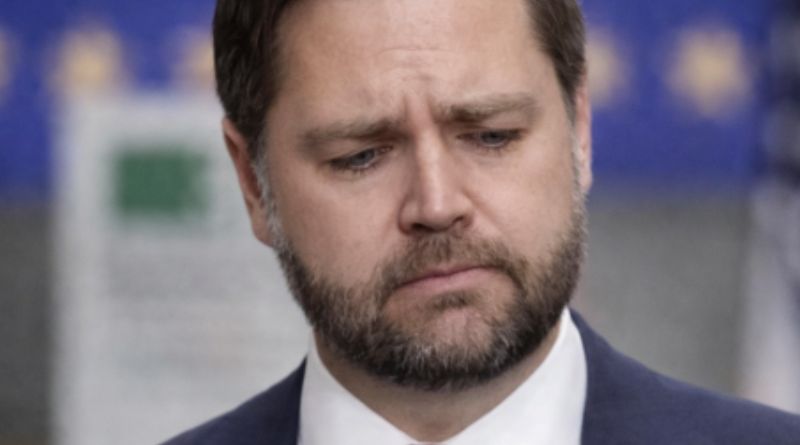
Vice President J.D. Vance announced Sunday that high-level negotiations between the United States and Iran ended without a deal after Iranian officials declined to accept U.S. terms.
Speaking at a press conference at the Serena Hotel in Islamabad, Pakistan, Vance said the talks lasted approximately 21 hours and involved what he described as “substantive discussions.” Despite the lengthy negotiations, he said the two sides were unable to bridge key differences.
“The bad news is that we have not reached an agreement,” Vance said. “And I think that’s bad news for Iran much more than it’s bad news for the United States of America.”
According to Vance, U.S. negotiators made their position clear and were unwilling to compromise on certain core demands.
“We’ve made very clear what our red lines are, what things we’re willing to accommodate them on and what things we’re not willing to accommodate them on,” he said. “They have chosen not to accept our terms.”
Vance said he remained in frequent contact with President Donald Trump throughout the negotiations, speaking with him multiple times during the talks. The U.S. delegation also coordinated closely with senior administration officials, including Secretary of State Marco Rubio and Defense Secretary Pete Hegseth.
Despite the lack of an agreement, Vance said the United States left Iran with what he described as its “final and best offer.”
“We were negotiating in good faith,” Vance told Fox News. “We leave here with a very simple proposal, a method of understanding that is our final and best offer. We’ll see if the Iranians accept it.”
The talks were aimed at preserving a fragile ceasefire announced earlier in the week and preventing a broader regional conflict. Iran’s delegation included Foreign Minister Abbas Araghchi and Parliament Speaker Mohammad Bagher Ghalibaf.
While Vance did not detail the specific terms rejected by Iran, he emphasized that Washington’s primary objective remains preventing Tehran from obtaining nuclear weapons.
“The simple fact is that we need to see an affirmative commitment that they will not seek a nuclear weapon, and they will not seek the tools that would enable them to quickly achieve a nuclear weapon,” Vance said. “That is the core goal of the president of the United States.”
Meanwhile, President Trump intensified his rhetoric toward Iran during the negotiations, arguing that Tehran is negotiating from a position of weakness. In a post on Truth Social, Trump claimed Iran’s military capabilities had been severely degraded and warned that its leadership had limited leverage beyond disrupting international shipping routes.
The future of the negotiations remains uncertain as Washington awaits Iran’s response to the latest U.S. proposal.