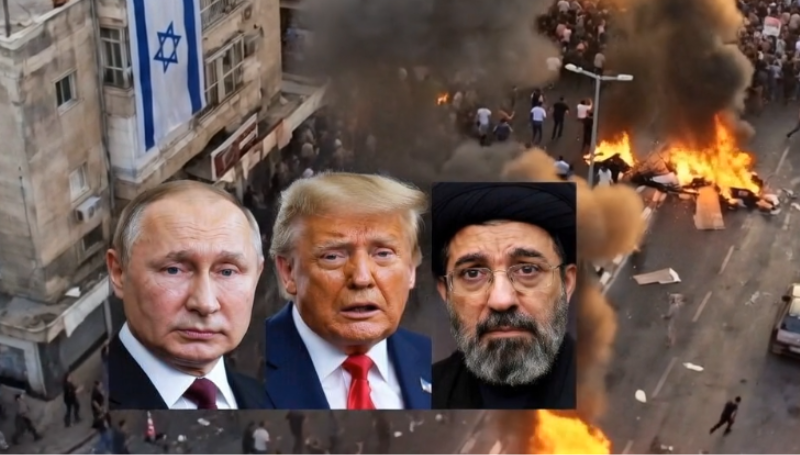
It can sometimes seem as though global conflicts are part of a larger hidden game, especially when powerful countries are involved in different regions at the same time. However, the idea that the United States and Russia are secretly cooperating as a single superpower is not supported by credible evidence. What we are seeing is better explained by competition, not collaboration.
The United States has openly supported Ukraine in its conflict with Russia. This support has included military equipment, financial aid, intelligence sharing, and training. These actions are not hidden; they are publicly announced and widely reported. The goal is to strengthen Ukraine’s ability to defend itself and to counter Russian influence in the region. This kind of involvement is consistent with long-standing alliances and strategic interests. On the other side, Russia has developed closer ties with countries such as Iran. This includes various forms of military cooperation, like sharing technology and equipment. These relationships are also not secret, and they reflect Russia’s effort to build partnerships that can counterbalance Western influence. In international politics, this kind of alignment is common, especially during times of heightened tension. It is true that major powers often observe each other during conflicts. Military analysts study tactics, weapons, and strategies used in real-world situations. This allows countries to learn and improve their own capabilities. However, observing an opponent is very different from secretly cooperating with them. Intelligence gathering is a normal part of global competition, not proof of a hidden alliance. The idea that both sides are secretly helping each other would require an enormous level of coordination across governments, militaries, and intelligence agencies. It would also mean that thousands of people are involved without any reliable evidence being revealed. In reality, we see the opposite: sanctions, political disagreements, cyber conflicts, and public criticism between the two countries. These are clear signs of rivalry, not partnership. While global politics can sometimes appear confusing or even contradictory, the simpler explanation is usually the most accurate. The United States and Russia are pursuing their own interests, forming alliances, and competing for influence around the world. This competition can play out in indirect ways, such as supporting different sides in regional conflicts, but it does not mean they are secretly working together. There are limited areas where cooperation still exists, such as discussions around nuclear safety or arms control, but these are specific and carefully managed. Overall, the relationship between these two countries is defined more by tension and competition than by any hidden unity.